Filipino immigrants are helping ease Hawaii’s teacher shortage
HONOLULU (HawaiiNewsNow) - This school year, immigrants from the Philippines will fill half of the state’s 200-plus teacher vacancies, as cultural ambassadors rather than employer-sponsored workers.
”Over 30% at a minimum of students identify in some part as Filipino. So seeing that teacher from the Philippines, you know, inspires them possibly to become an educator like that teacher that’s in front of them,” said James Urbaniak, recruiting specialist for the Hawaii Department of Education, which runs a cultural exchange program for foreign educators, bringing some relief to the state’s teacher shortage.
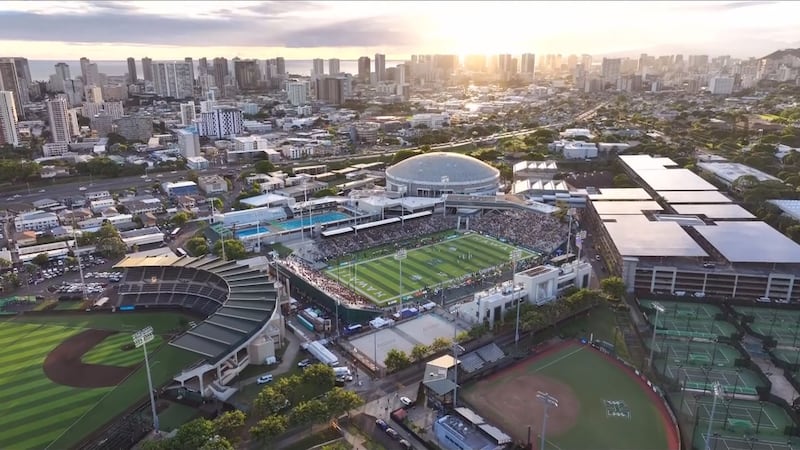
Last week, the DOE hosted an orientation day in Waikiki for 125 newly arrived immigrants from across the Philippines on special J1 visas. They will teach in Hawaii DOE classrooms starting next month. Many have advanced degrees and several years of teaching experience in English. Most will work on the neighbor islands.
”I’m excited to go to Maui, Lahaina. And also, I’m very nervous. Because it’s really different here in the in Hawaii and also in the Philippines,” said Amira Rae Bonifacio, who’s been a special education teacher for six years and will work at Princess Nahienaena Elementary School.
The DOE says setting up these teachers for success is important. As soon as they arrive, they learn how to sign up for healthcare, open bank accounts, get U.S. cell phone numbers and contact community members for help as they adjust to their new life in America for the next three to five years.
”It’s not just transitioning to the United States. It’s also transitioning to Hawaii, which of course, as we know, is a very unique culture and community as opposed to maybe moving somewhere else on the continental U.S. So we’re definitely going to be doing a lot more convening of the teachers virtually and in person. And also partnering with our amazing community groups have offered to kind of step in and provide that support on the ground as they transition to the other islands,” Urbaniak said.
Last year, the DOE brought in 75 teachers from the Philippines, and many experienced culture and sticker shock.
Unlike employer-sponsored workers, J1 holders pay for their own expenses, including program fees, travel and housing.
So while the average salary is about $60,000, most aren’t prepared for the high cost of living, including paying $1,000 in monthly rent for a bedroom.
And no one expected the fires in Lahaina. Teachers there lost everything too and raised concerns about relief for them.
“Even if you’re not a U.S. citizen, you have rights as a resident that you can avail of,” said Rose Churma of the Filipino Association of University Women, a nonprofit that provides support for the teachers.
Community advocates like Churma fill in the gaps with donations, but say more government support and oversight are needed.
“We were Venmoing cash because to get them going just to go grocery shopping, to get an Uber. I mean, you know, it’s cash based and the folks there also help,” Churma said. “For those who are very new here, no connections, and they isolate, the feeling of isolation, their social isolation.”
Advocates say teachers also need classroom management training. This after a J1 teacher in Kihei was assaulted on campus by an 8th grade student last November. She has since relocated to California.
“They will be briefed at their schools, about safety protocols, procedures, how to respond in cases of disruption in the classroom, and best strategies to prevent that from happening,” Urbaniak said.
J1 holders can bring their spouse and kids, but there is no path to permanent residency. But they say that’s ok.
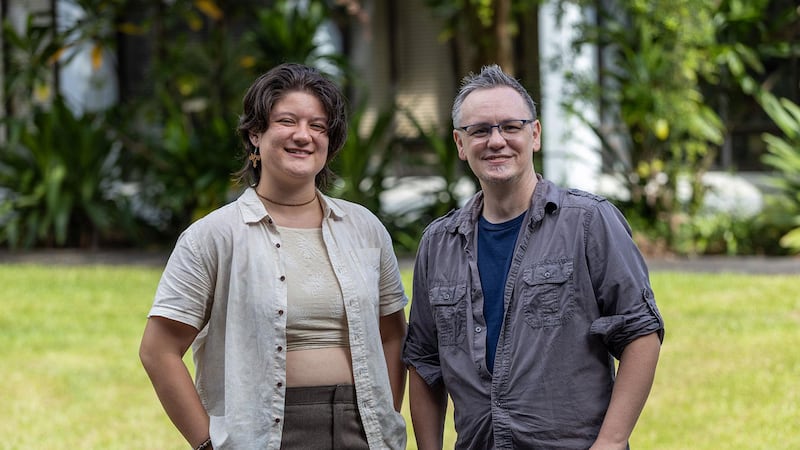
Husband and wife Raymond and Lara Escoto were both accepted into the J1 program and left their 4-year-old son in the Philippines with family -- a sacrifice many immigrants make to give their families a better life.
“Everything’s for him,” said Lara Escoto, an incoming teacher at Kahakai Elementary School on Hawaii Island.
“We’re prepared,” said Raymond Escoto, who will teach at Konawaena High School. “We’re gonna do our mission here with great fulfillment and everything. That’s what we are. That’s why we are here. We are Filipinos.”
Watch more episodes in HNN’s series “Immigration in Hawaii.”
Copyright 2024 Hawaii News Now. All rights reserved.