Watch the full “Priced Out of Paradise: Hawaii to Utah” special, plus bonus video podcast!
Priced Out of Paradise: Hawaii to Utah
Thousands of Hawaii families have relocated to Utah, driven by the state’s high cost of living but maintaining strong cultural connections through businesses, religious networks and community organizations.
Many transplants have found ways to preserve their island heritage while establishing new lives on the mainland, like Pomaikai Gaui, who has taught hula through the Kehaulani Halau in West Valley City for 32 years. “I think it’s great because then I get to share my culture,” Gaui said.
Hawaii transplants have also created a thriving food scene featuring island-inspired cuisine, like Mo Bettah’s, started by Kaneohe brothers Kimo and Kalani Mack in 2008.
The brothers were priced out of Hawaii while working as bus drivers on Oahu. “Here I am born and raised in Hawaii, taking everybody to the beach, but ... I could never go. I was working all the time,” Kalani Mack said of his former job.
Other successful ventures include Natin but Grindz food truck, Side of Aloha, Aunty’s Hawaiian Kitchen, and Savage Poke, all started by Hawaii natives who found business opportunities unavailable to them in the islands.
Listen to this special as an audio podcast


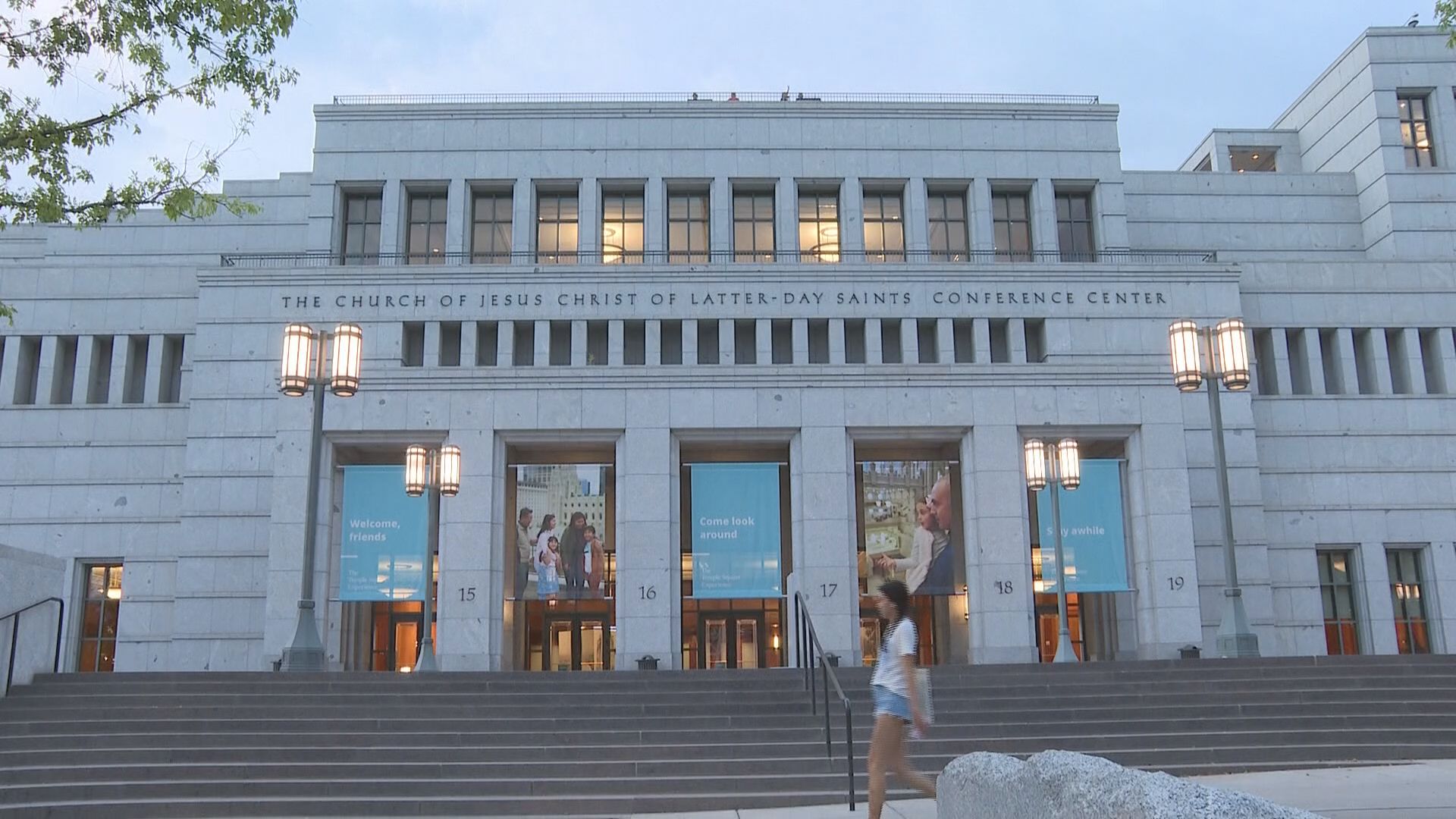
Religious connections draw residents to Utah
Another draw to Utah is the Mormon church headquarters. About half of Utah’s population identifies as members of the Church of Jesus Christ of Latter-day Saints with Polynesians making up a significant portion of that membership. This creates natural support networks for transplants with ties to BYU Hawaii or BYU Provo.


Push to keep families in Hawaii
Back in Hawaii, efforts to address the housing crisis that drove families away are showing results. The Department of Hawaiian Home Lands awarded 2,586 homes through October 2025, up nearly 3,000% from just 84 homes awarded last year, following a $600 million legislative infusion.
Honolulu City Council member Andria Tupola, who lived in Utah for nearly 10 years before returning, is promoting $23,000 modular Plugin Houses as affordable housing solutions. “We have to meet them halfway and say, hey, here’s some options,” Tupola said about convincing locals to move home.
Some families are successfully returning. Jade Mapuana Riley moved back to Maui after three years in Arizona because she was finally awarded a DHHL home. She had been on the waiting list for 38 years.
Kasey Amuro, who had applied for jobs in Texas, Colorado and Washington, will move into her first Maui home by Christmas after taking her deceased father’s place on the DHHL list.
“My dad didn’t get to see this happen, and the least I could do was bring it up and take my right that he gave me,” Amuro said.


Hope for Hawaii families
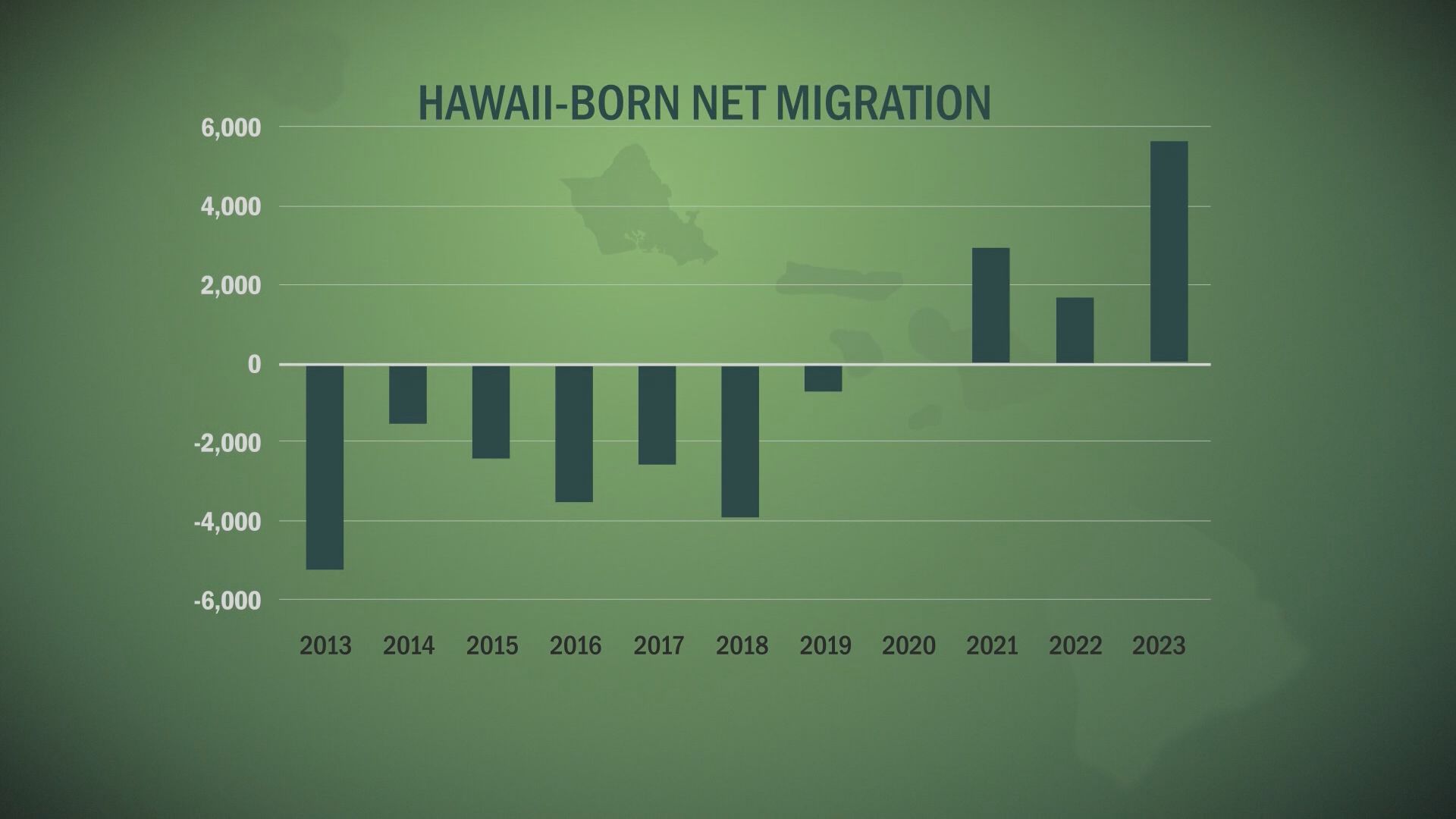
According to the University of Hawaii Economic Research Organization, about 12,100 Hawaii-born individuals returned home in 2023 while approximately 6,400 left. It’s the highest net in-migration in more than a decade.
The trend suggests more locals may now be priced back into paradise than out of it.
LISTEN: What’s behind Department of Hawaiian Home Lands’ spike in housing awards


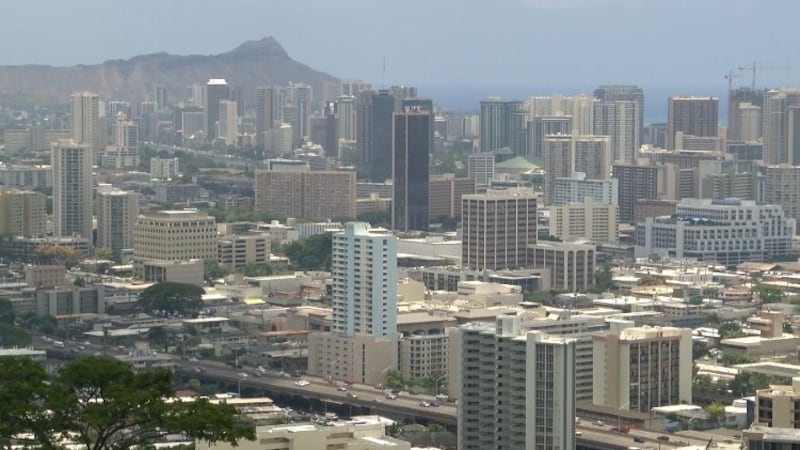


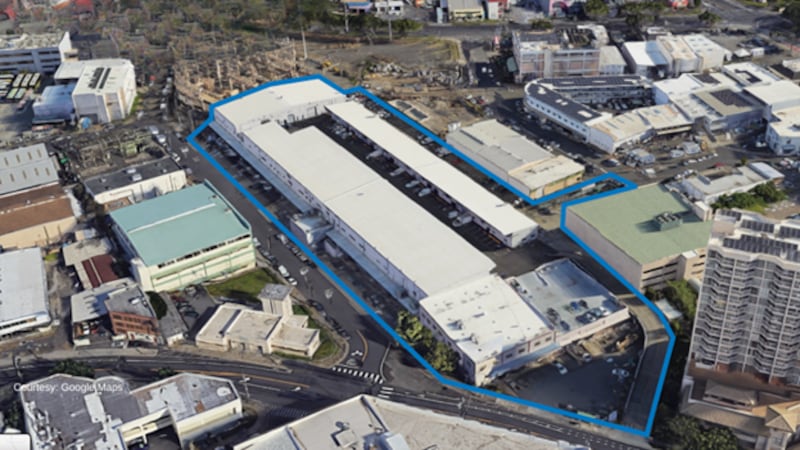


Oahu residents call out new high-rise project for displacing renters, contributing to housing crisis


