DLE plans new license plate recognition cameras amid privacy concerns
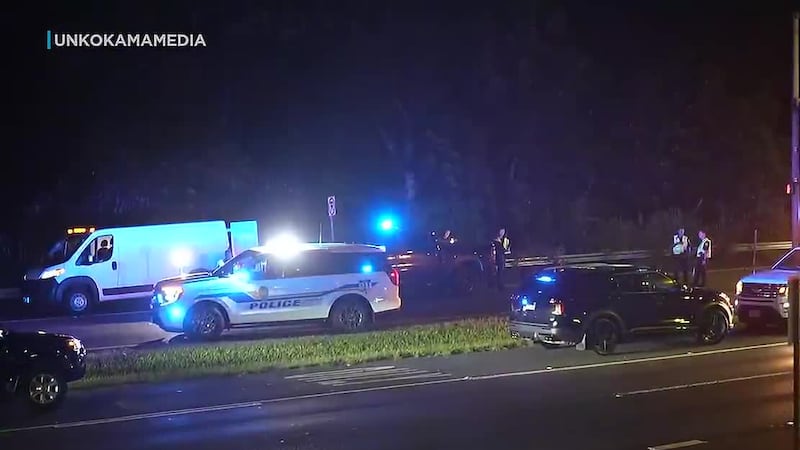
HONOLULU (HawaiiNewsNow) - The state of Hawaii is preparing to install potentially hundreds of surveillance cameras on several islands, raising privacy concerns over how the technology could be used.
The cameras will use automated license plate recognition, or ALPR, technology, according to Hawaii Department of Law Enforcement Director Jared Redulla.
“We’re not here to invade people’s privacy, and we’re definitely not here tracking people,” Redulla said.
Similar systems have been abused by other law enforcement agencies, and critics have raised concerns about whether the technology could be used for federal immigration enforcement.
Redulla said using the cameras for immigration enforcement would violate department policy and his directives to staff.
“That’s against our policy. It’s against my personal directives to my staff,” Redulla said. “So I want to be clear, we’re not in the business of immigration enforcement.”
Redulla said many of the cameras will be used to help combat agricultural crime, particularly on Hawaii Island.
A USDA survey two years ago found more than 9,000 trespassing incidents on Hawaii farms, along with more than 2,000 thefts and nearly 800 cases of vandalism.
“Some of the challenges of agriculture crime is that it’s often in very secluded places, often at night, often in places where law enforcement has a very difficult time reaching,” Redulla said. “It gives us a starting point.”
Roy Kainoa, president of the Pig Hunters Association of Oahu, said the cameras could help farmers document activity on their property.
“We need to protect our farmers, regardless if livestock or just farmers that is planting. We need to protect them,” Kainoa said.
Kainoa said hunters already use trail cameras to monitor areas during pig eradication efforts. He said those cameras can provide timestamps and evidence of people entering areas without permission.
Reports have said DLE plans to roll out about 400 cameras, but Redulla said the department is still determining how many cameras will be installed and where they will be placed.
The public can learn more about the technology through DLE and submit comments or questions by email at law.svt@hawaii.gov.
Copyright 2026 Hawaii News Now. All rights reserved.